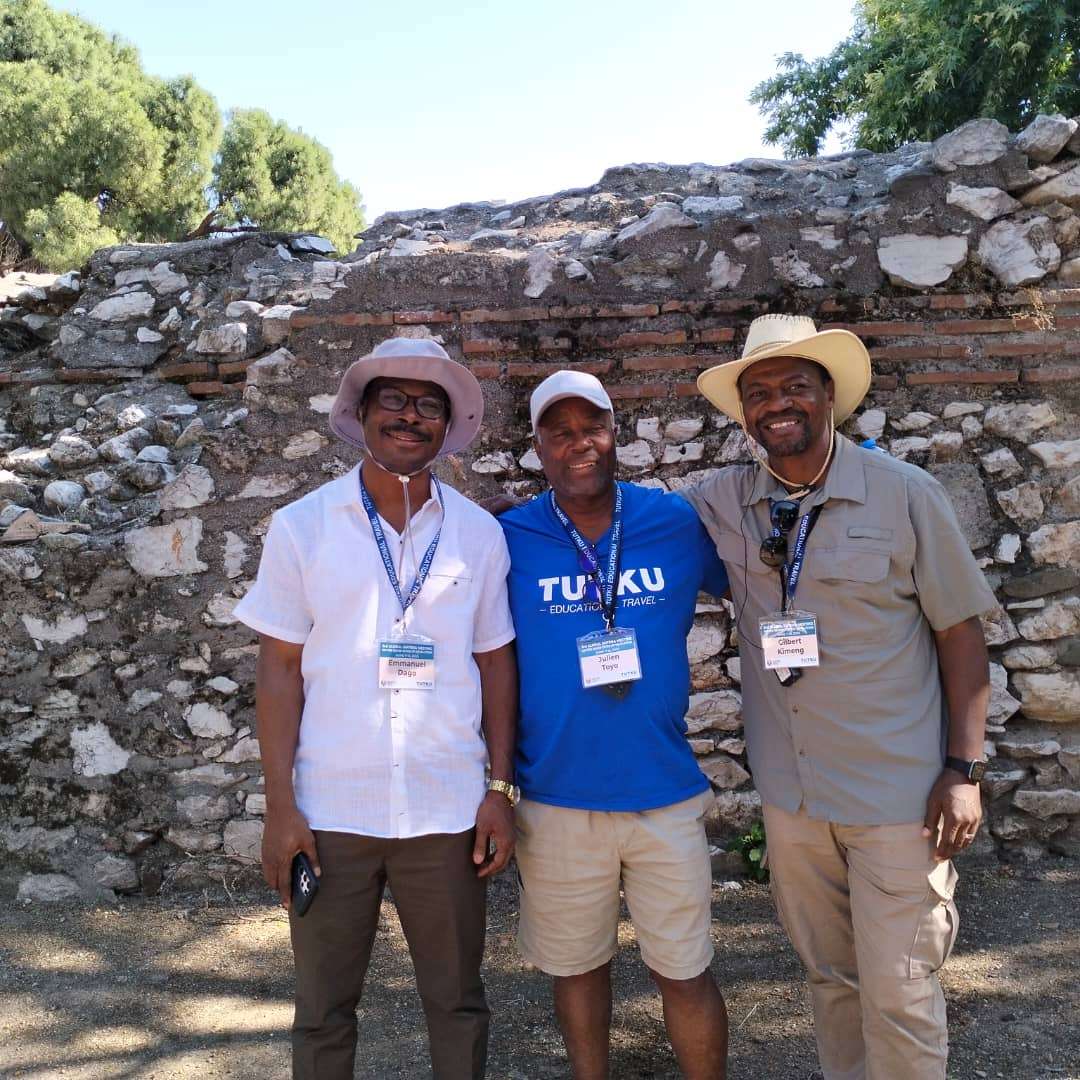
Days three and four of the Global Smyrna Conference offered an immersive exploration into the profound messages and historical contexts of the Seven Churches of Revelation. Scholars from leading Christian universities across the United States guided us through a rigorous examination, revealing layers of meaning crucial for a comprehensive understanding.
Unlocking the Messages: Two Essential Perspectives
A recurring and highly insightful point emphasized the necessity of engaging with Jesus’ message to the Seven Churches through two distinct lenses:
* Old Testament Ears: Grasping the foundational Hebraic context and prophetic traditions.
* Ancient World Ears: Comprehending the historical, cultural, and geographical nuances of the Greco-Roman world—an understanding profoundly enhanced by our on-site visits.
This dual perspective proved invaluable as we delved into the consistent structure of each of the seven letters, which typically included a Christ-title, a commendation, a complaint, a gracious correction, and a stated consequence (both positive and/or negative).
The Christ-title, notably, often directly correlated with the initial depiction of Jesus in Revelation Chapter 1, tailored to address the specific challenges faced by each church.
Illuminating Discoveries: Key Insights from Each Lecture
Each lecture was a trove of profound insights, with several standing out vividly. The discussion on the Ephesian Church was particularly striking. Their strength, rooted in strong convictions regarding truth and doctrine (orthodoxy), paradoxically harbored a potential weakness.
As one speaker compellingly illustrated, “too much of a good thing is often not too good.” Just as excessive exercise can be detrimental, an overemphasis on orthodoxy in Ephesus cultivated an atmosphere of suspicion and judgment, leading to the lecture’s poignant title: “The Church of Loveless Orthodoxy.”
Further scholarly confirmation reinforced the interpretation that the “first love” referenced in the letter most likely pertained to love for fellow believers, aligning seamlessly with major themes found in the Epistle to the Ephesians, penned approximately two decades prior.
Another overarching perspective presented the book of Revelation as protest literature, masterfully unmasking the counterfeit nature of the Roman world. Its intricate narrative, superimposing past, present, and future, elucidates the text’s inherent complexity and occasional perceived confusion.
The privilege of conducting these deep dives into each letter, synergistically paired with on-site visits, has been truly transformative.
Experiencing History: A Day in Ancient Ephesus
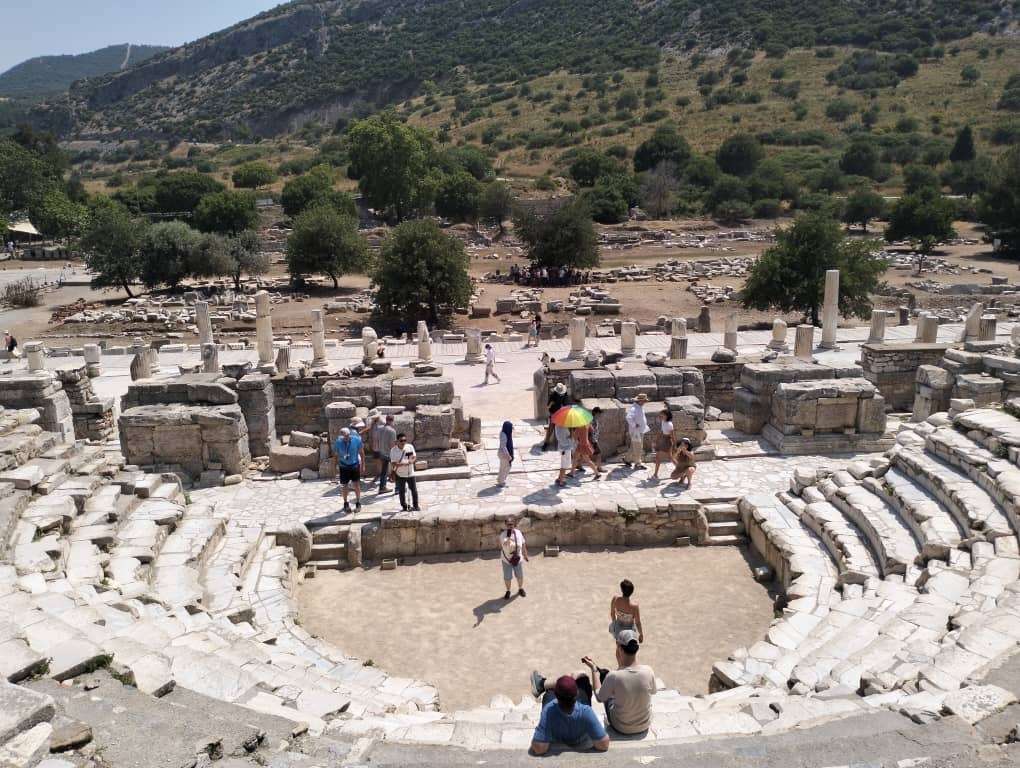
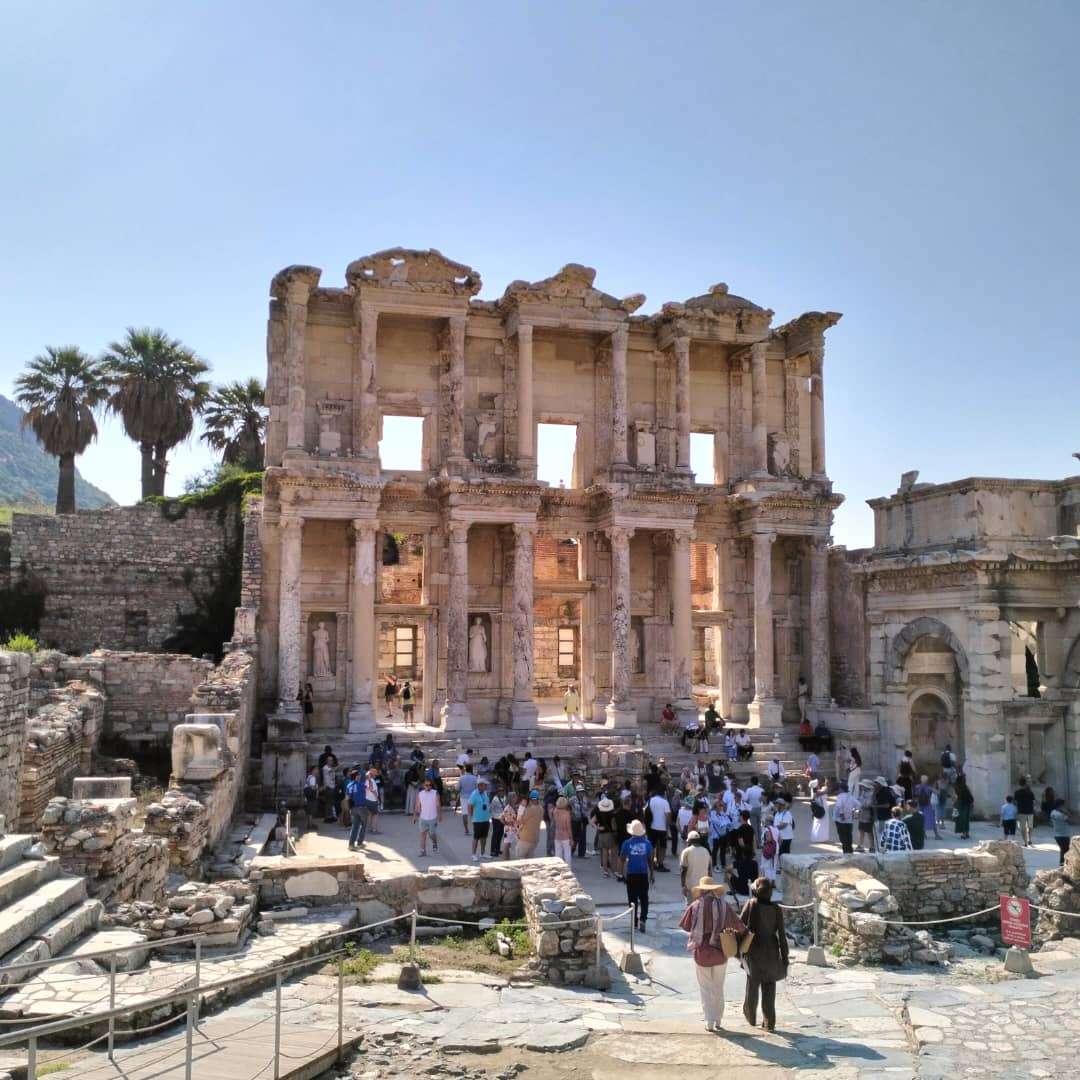
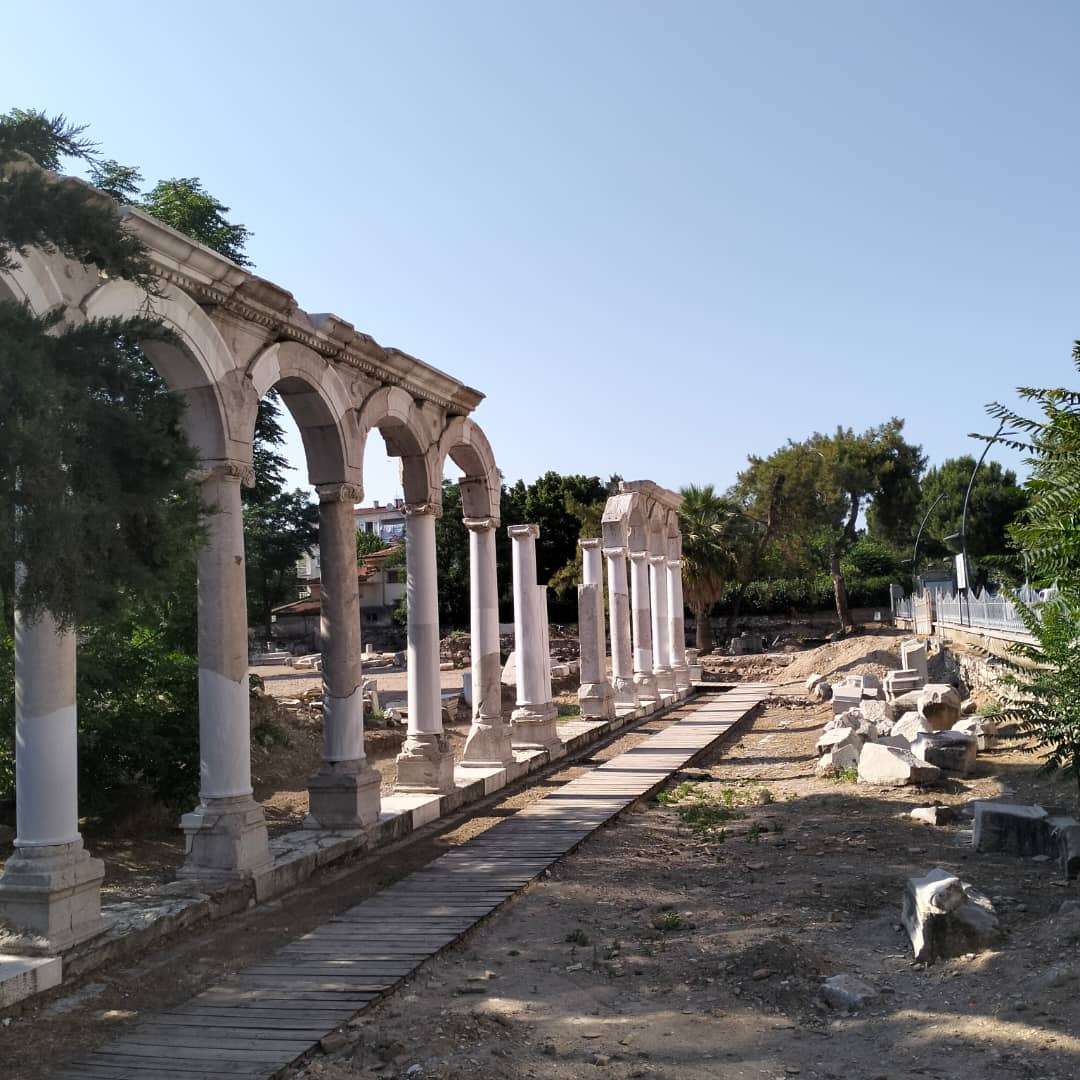
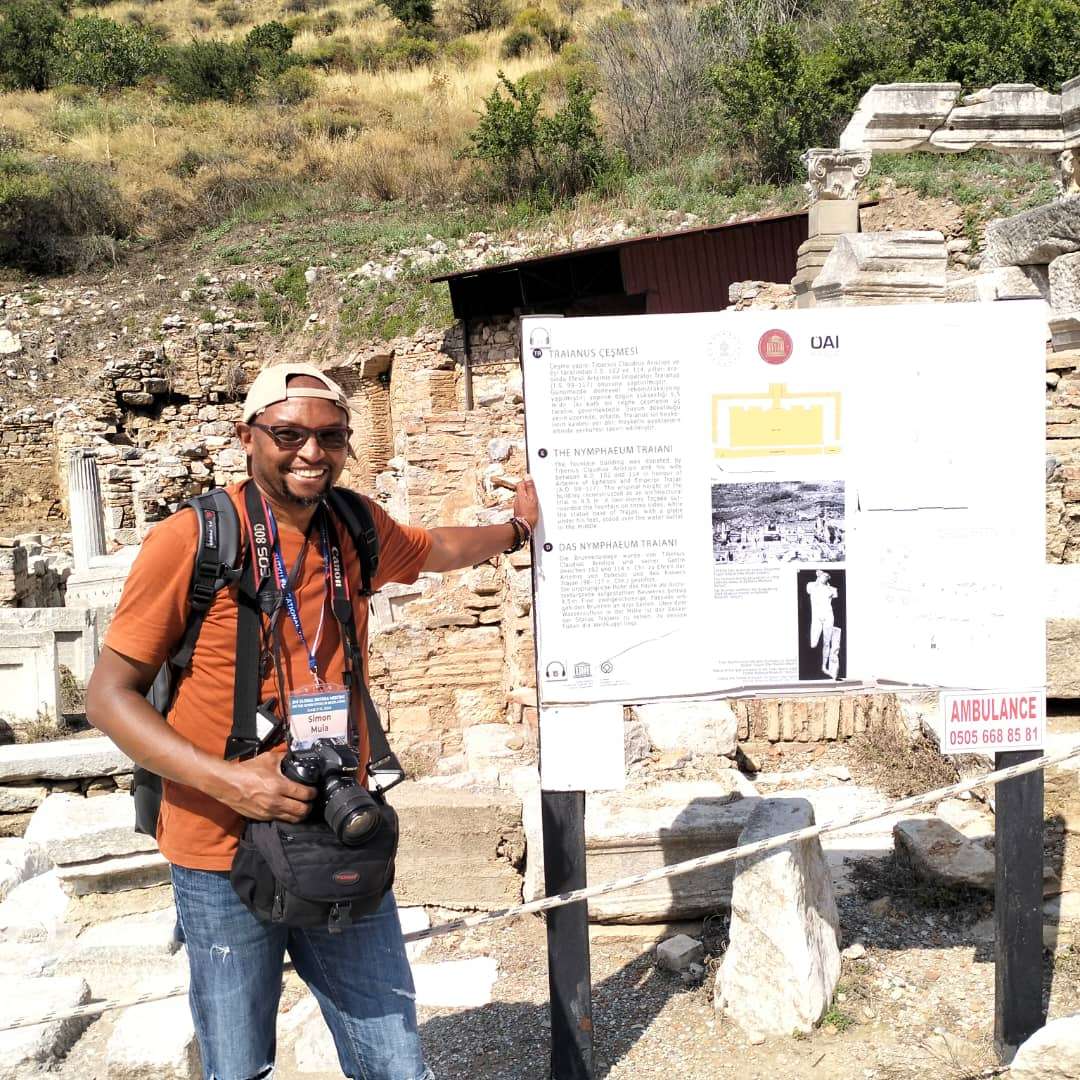
Day four was dedicated to exploring the sprawling excavations of ancient Ephesus. The on-the-ground insights gained were nothing short of extraordinary. Ephesus, a city of immense historical significance, was prominently shaped by three major influences:
* The Cult of Artemis: Reverence for the goddess Artemis and her grand temple.
* The Imperial Cult: The worship of Roman emperors, a significant socio-political force.
* A Center for Pagan Superstition and Magic: A hub for various mystical practices and beliefs.
These powerful themes guided our full-day exploration of this remarkable ancient city, bringing the historical context of the letter to life in an unparalleled way.
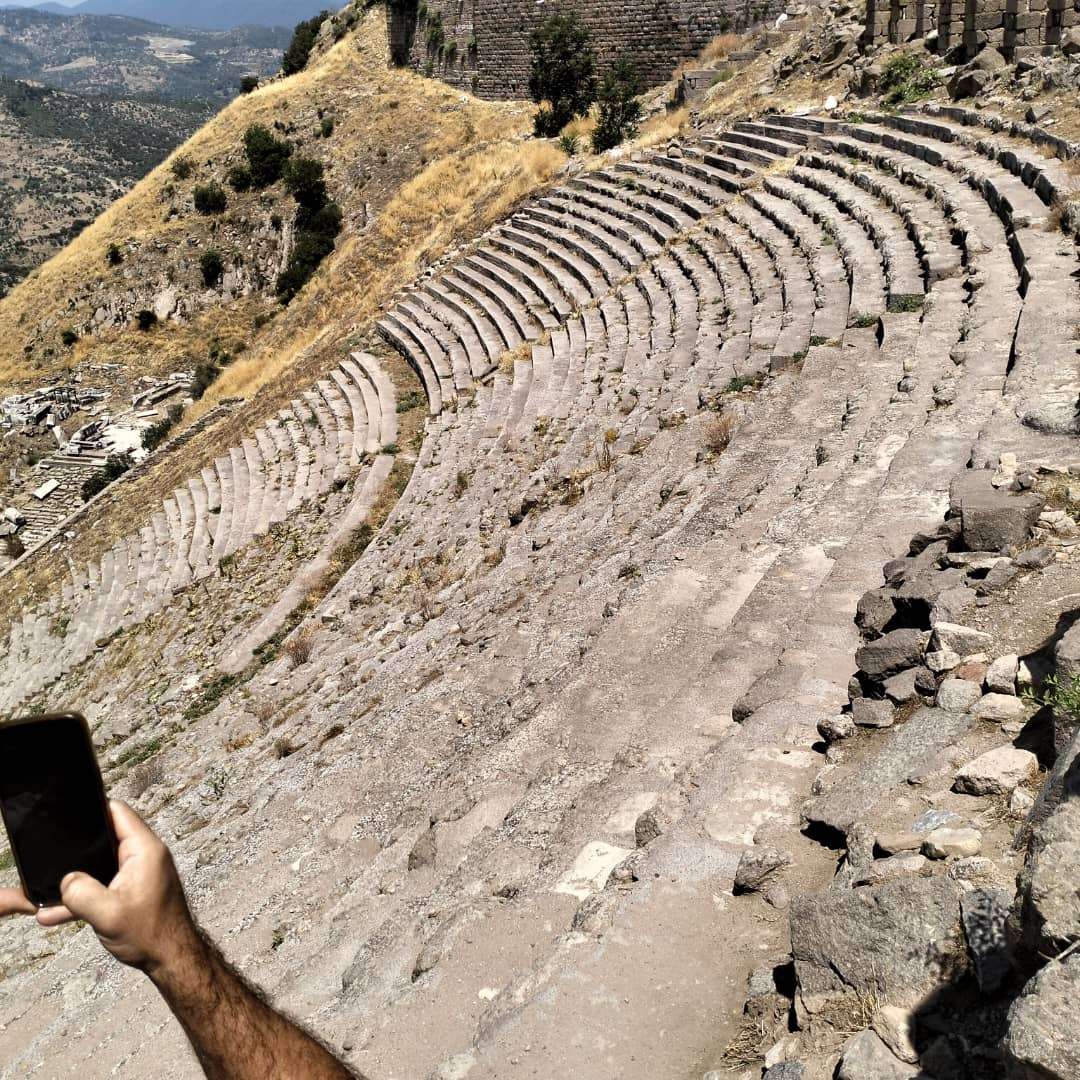
We are now eagerly anticipating Day 5, as we journey onward to Pergamum and Thyatira.
Stay tuned for further updates as our exploration continues!